
Children's Eyes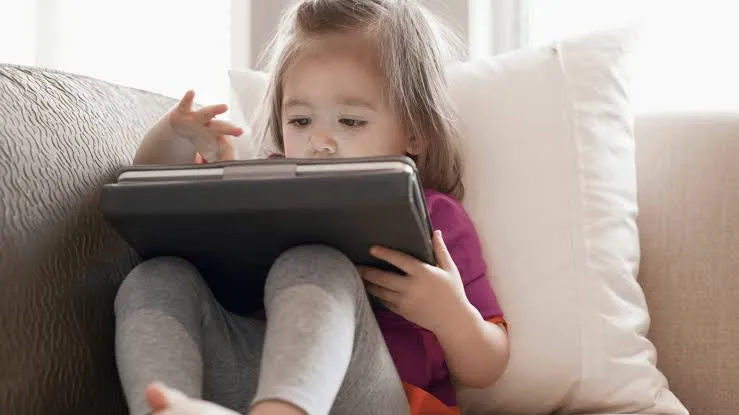
Screens and Children's Eyes: What Is Really Worth Worrying About?
By د. أوس معن الجمّالOctober 9, 20264 min read
Share
Parents often ask me: Do screens damage our children's eyes?
The short answer is more reassuring than they expect—but that is not the whole story.
What Doesn't Happen
Screens do not cause permanent eye damage. They do not burn the retina, harm the optic nerve, or leave lifelong effects. What they do cause is temporary discomfort that resolves with rest.
The same applies to blue light. Studies that raised concerns about it were conducted on cells and animals under conditions that do not mirror how humans use screens. There is no significant evidence linking the blue light emitted by devices to eye diseases, and blue-light-blocking glasses are unnecessary. If you are concerned about sleep, the solution is to reduce screen time in the evening—not to use tinted lenses.
What Actually Happens
Digital eye strain. We normally blink about 15 times a minute, but in front of a screen, that rate drops by nearly half. This causes the eye's surface to dry out, leading to burning, redness, headaches, and temporary blurred vision. All of this is temporary and goes away.
And this is the most important point: time lost outdoors. Nearsightedness (myopia) is becoming increasingly common among children worldwide. The likely cause is not the screen itself, but rather that the time a child spends in front of it is time not spent outdoors.
Natural outdoor light appears to regulate the growth of the eyeball, and looking at distant objects relaxes the focusing muscles in a way that no close-range activity can. While the exact mechanism remains unconfirmed, the observation is consistent: children who spend more time outdoors are less likely to develop nearsightedness.
Unlike screen-induced eye strain, nearsightedness does not resolve with rest; it involves a structural change in the eye itself and is permanent.
Guidelines Worth Following
One to two hours outdoors daily. This is the most important point in the entire article. It does not require organized sports; walking, playing in the park, or even just sitting outside will suffice.
The 20-20-20 rule: Every 20 minutes, the child should look at an object about 6 meters away for 20 seconds. The easiest way to implement this is to turn it into a game—seeing who can spot the farthest object from the window.
Maintain an arm's length distance from the screen, positioning it slightly below eye level. The problem with phones is that children tend to unconsciously hold them too close to their faces; keeping the screen in a fixed location is more effective than constant reminders.
Screen-free zones at home—at least the dining table and the bedroom.
Good room lighting; using screens in the dark increases eye strain.
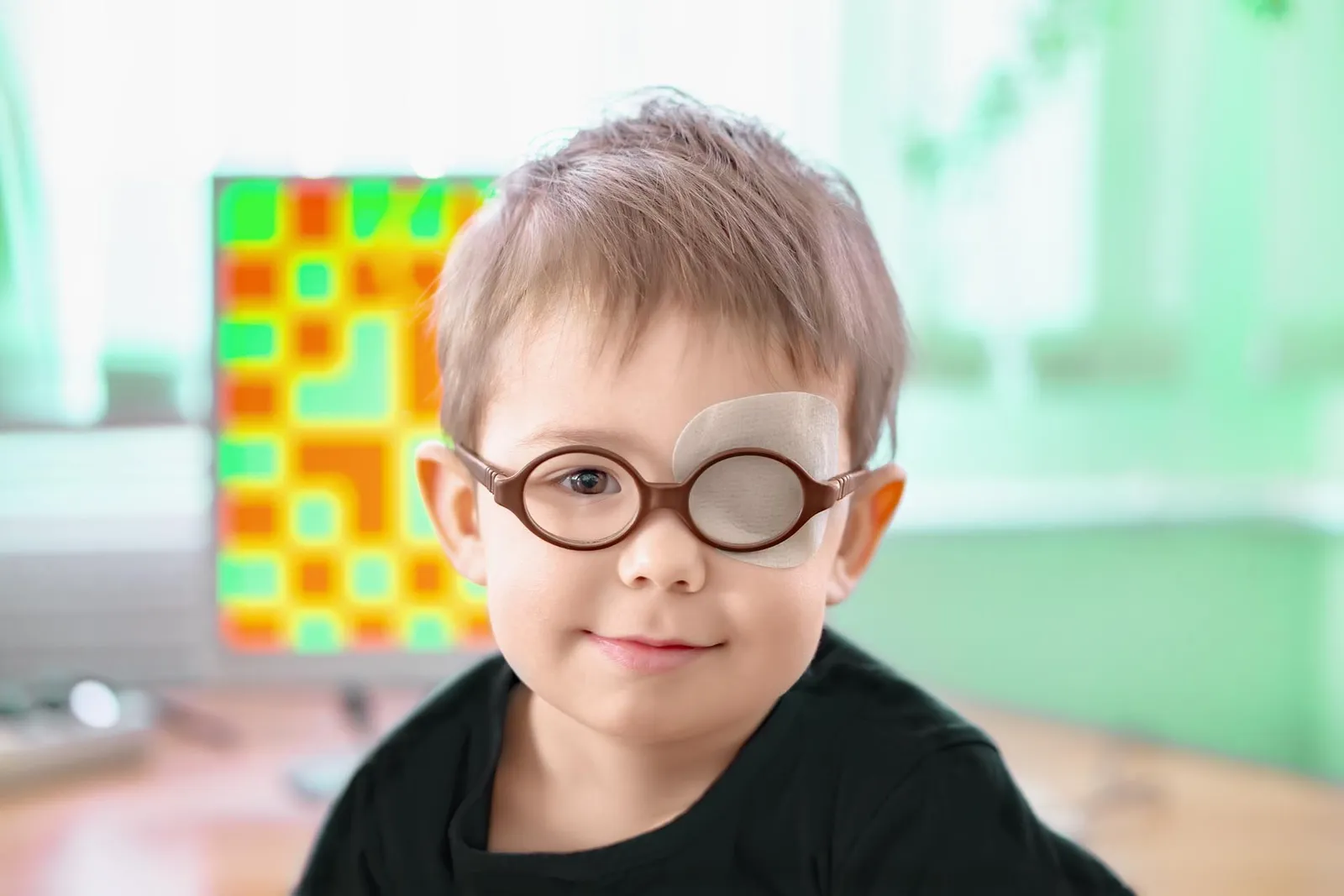
When should you take your child to an ophthalmologist? Beyond screen use, there are signs that warrant an examination:
Sitting very close to the TV or holding a book right up to the face
Squinting or closing one eye to see clearly
Tilting the head into a fixed position
Frequent complaints of headaches, especially after school
An unexplained decline in academic performance
Constant rubbing of the eyes
A point often overlooked by parents is that a child will not complain about poor vision because they have no reference point for what "clearer" vision looks like; they assume everyone sees the world exactly as they do.
The Bottom Line
Do not worry about screens damaging your child's eyes—they don't.
Instead, be concerned that screen time takes away from time spent outdoors. The practical rule is simple: ensure one to two hours of outdoor activity daily, follow the 20-20-20 rule during screen use, and take your child to an ophthalmologist if you notice any of the signs mentioned above.
This article is general education, not a medical diagnosis, and does not replace an in-person consultation with the doctor.
Related Articles