
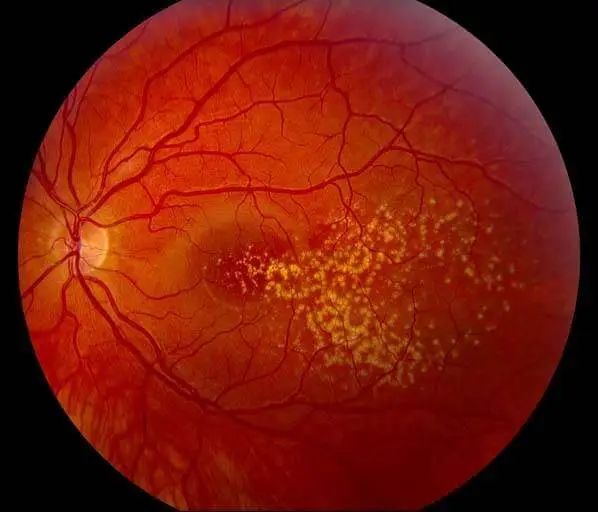
Retina & Diabetes
What to Expect After Cataract Surgery (placeholder text)
Placeholder Lorem Ipsum text to test the article page layout — must be replaced with real, doctor-reviewed medical content before launch.
September 25, 20261 min read
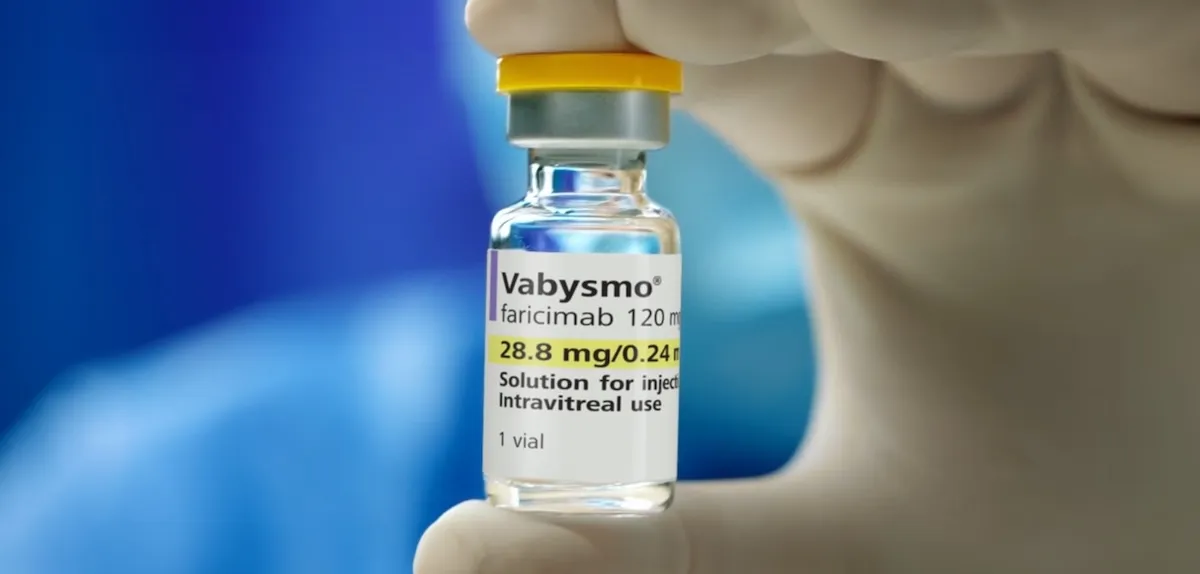
One of the most exhausting aspects for patients with diabetic macular edema is that treatment never seems to end. An injection every month, then every two months, followed by years of ongoing check-ups. While the treatment is effective, adhering to the regimen is a genuine burden.
This is where **Vabysmo** (faricimab) makes a difference.
Prolonged high blood sugar damages the walls of the tiny blood vessels in the retina, causing fluid to leak out. When this fluid accumulates in the **macula**—the small area at the center of the retina responsible for sharp vision—central vision becomes blurred, affecting tasks like reading, recognizing faces, and seeing fine details.
This edema is the most common cause of vision loss in people with diabetes. It is important to note that it can occur at **any** stage of diabetic retinopathy, not just in the advanced stages.
Medications used for years work by inhibiting a single substance called **Vascular Endothelial Growth Factor (VEGF)**, which causes blood vessels to leak and grow abnormally. These drugs have transformed the outlook for thousands of patients.
Vabysmo, however, is a **dual-target antibody**: it inhibits VEGF—just like the previous drugs—but also inhibits another substance called **Angiopoietin-2**, a factor that destabilizes blood vessel walls.
The concept is that inhibiting both pathways simultaneously may make blood vessels more stable and less prone to leakage, thereby extending the duration of each injection's effect.
**The potential for fewer injections.**
Treatment typically begins with consecutive monthly doses—a phase that cannot be shortened. Then—and this is the key difference—many patients can gradually extend the interval between injections, with some reaching up to four months between doses, depending on retinal imaging and visual acuity measurements taken at each follow-up visit.
The difference between a monthly injection and one every three or four months is significant for the patient's life—especially for those who must travel from another region to the clinic or require an escort for every visit.
Studies have also shown an improvement in the severity of the retinopathy itself in a number of patients, rather than just a reduction in edema. ## What You Should Know Before Asking About It
**It is not the right choice for every patient.** Older medications are effective, have a long track record, are readily available, and cost less. Many patients respond excellently to them, and there is no reason to change their treatment.
**Extended intervals are not guaranteed.** Some patients require continued monthly injections after the initial doses. The injection schedule is determined by your eye's specific response, not by what you have read about the drug.
**The risks are those associated with any intraocular injection:** minor subconjunctival hemorrhage, a temporary rise in intraocular pressure, and—very rarely—intraocular inflammation. For this reason, injections are performed under sterile conditions and require regular follow-up.
**Availability varies by country.** Ask your doctor what is actually available in your area.
**None of this replaces the need to control diabetes.** While injections treat the damage already present in the eye, controlling blood sugar and blood pressure determines whether the damage will progress.
Vabysmo is a valuable addition to the treatment options for diabetic macular edema. Its most notable advantage is not necessarily that it is more potent, but rather that it may require fewer injections for some patients.
If you are receiving intraocular injections and find the frequency burdensome, this is a question worth asking your doctor at your next appointment. The decision should be based on the condition of your eye and your history of response to treatment—not simply the name of the drug. The most important rule remains: **Early detection is better than any treatment.** If you have diabetes and haven't had your eyes examined—specifically the back of the eye—within the past year, this is the appointment you should book first.
This article is general education, not a medical diagnosis, and does not replace an in-person consultation with the doctor.
Placeholder Lorem Ipsum text to test the article page layout — must be replaced with real, doctor-reviewed medical content before launch.